
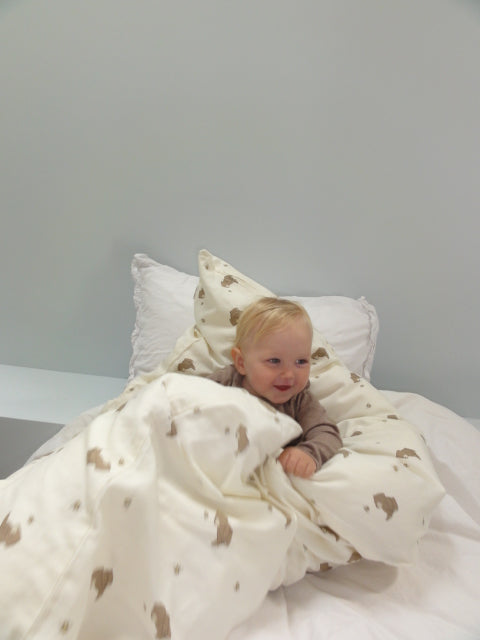
Guide: Bedding for babies and children – what you need to know before choosing
A good night's sleep is essential for your child's well-being and development. Sleep is the time when the body recovers, processes impressions and grows. Therefore, it is crucial to create the best conditions for a safe and comfortable sleep - and here bedding plays an important role. In this guide, we delve into what you should pay attention to when choosing bedding for babies and children.
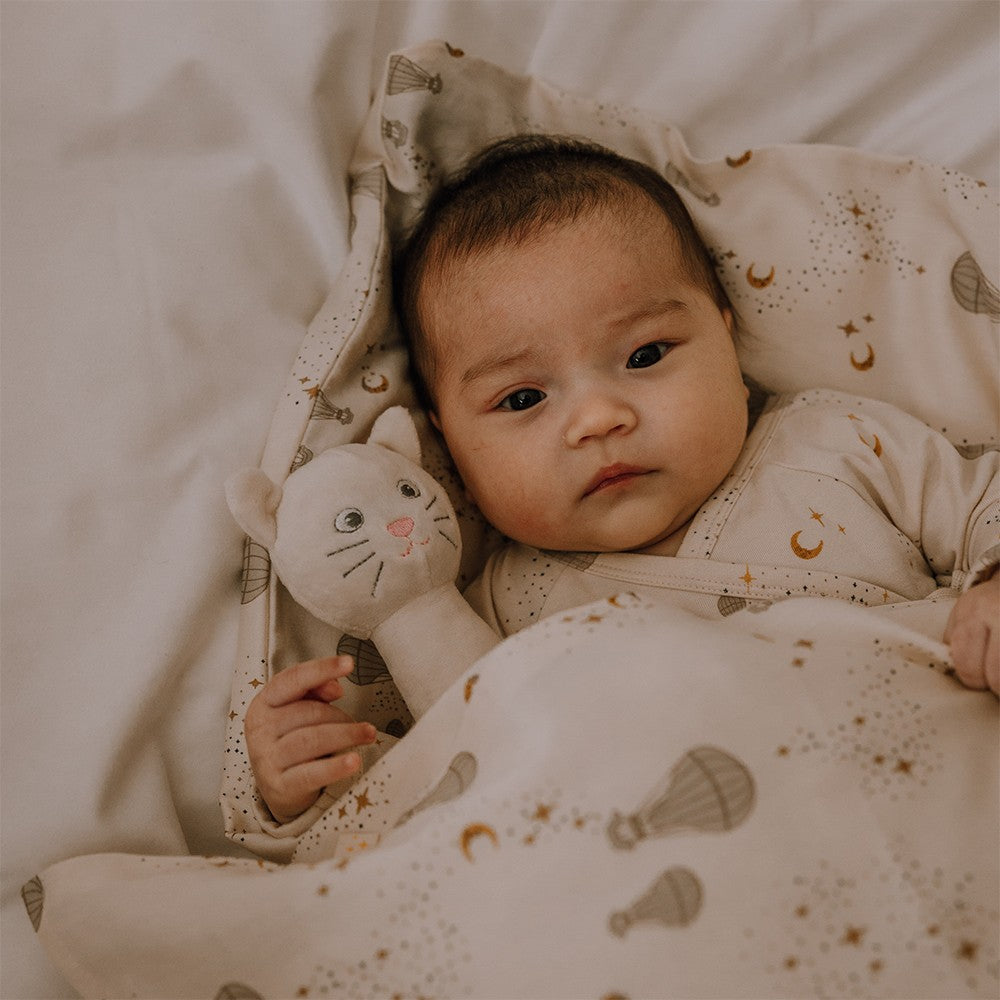
Why is it important to choose the right bedding for children and babies?
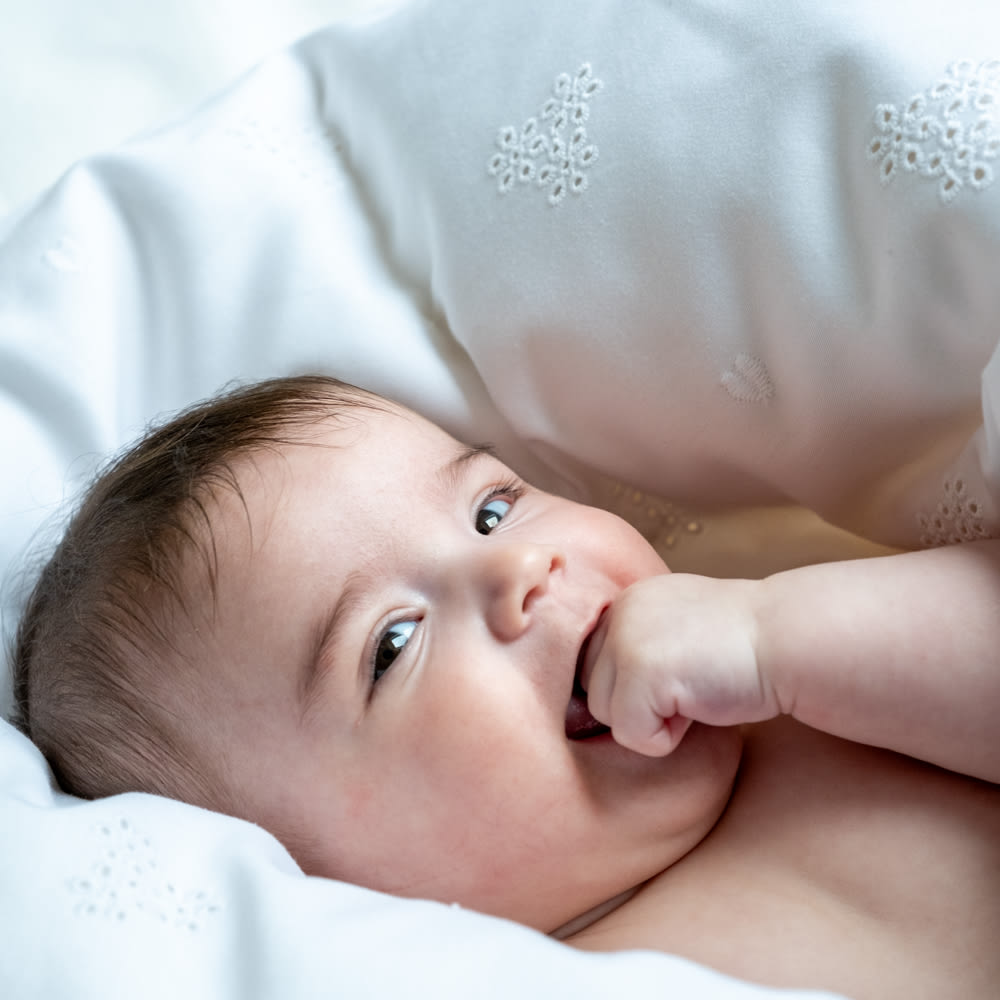
Babies and children have more delicate skin than adults, and their temperature regulation is not yet fully developed. That's why it's important to choose bedding that is soft, breathable, and free of harmful chemicals. Good bedding helps maintain a comfortable temperature throughout the night and reduces the risk of overheating.
Materials: What to look for
Organic cotton:
The most popular type of bedding for children and babies is made from 100% organic cotton. It is soft, durable and gentle on the skin. Cotton also has the advantage of being breathable and temperature-regulating, which is perfect for both warm and cold nights.
Cotton satin:
Cotton sateen is a weave that gives the fabric a smooth and luxurious surface. It is extra soft and feels silky against the skin – ideal for babies and children with sensitive skin.
Other materials:
You can also find bedding made from materials like bamboo or hand-woven fine cotton. These materials are often also temperature-regulating and hypoallergenic, but they are rarer and often more expensive.
Sizes: Which one is right for your child?
It is important to choose the right size of bedding. Here is a quick overview:
- Baby (0-1 year): Duvet cover 70x100 cm, pillowcase 40x45 cm
- Junior (1-6 years): Duvet cover 100x140 cm, pillowcase 40x45 cm
- Children (6+ years): Duvet cover 140x200 cm, pillowcase 60x63 cm
Make sure the duvet and pillows match the size of the covers so your child sleeps comfortably without wrinkles and too much excess fabric.
Comfort and functionality
Closure Bedding with a zipper at the bottom of the duvet cover ensures that the duvet stays where it should be. This is practical when making the bed and gives a neat finish. Pillowcases with an inner pleat without buttons are often the most comfortable for smaller children.
Washing and maintenance Bedding for babies and children should be able to withstand frequent washing. Choose materials and products that can be washed at a minimum of 60 degrees, so that bacteria and dust mites are removed. Avoid fabric softener and perfumed detergents, which can irritate the skin.
Benefits of organic bedding
Organic bedding is not only good for your child, but also for the environment. It is produced without the use of harmful pesticides and chemicals, and is often certified with recognized environmental labels such as GOTS. When you choose organic bedding, you ensure that your child sleeps in a healthy and natural environment.
Materials: What to look for
Organic cotton:
The most popular type of bedding for children and babies is made from 100% organic cotton. It is soft, durable and gentle on the skin. Cotton also has the advantage of being breathable and temperature-regulating, which is perfect for both warm and cold nights.
Cotton satin:
Cotton sateen is a weave that gives the fabric a smooth and luxurious surface. It is extra soft and feels silky against the skin – ideal for babies and children with sensitive skin.
Other materials:
You can also find bedding made from materials like bamboo or hand-woven fine cotton. These materials are often also temperature-regulating and hypoallergenic, but they are rarer and often more expensive.
Sizes: Which one is right for your child?
It is important to choose the right size of bedding. Here is a quick overview:
- Baby (0-1 year): Duvet cover 70x100 cm, pillowcase 40x45 cm
- Junior (1-6 years): Duvet cover 100x140 cm, pillowcase 40x45 cm
- Children (6+ years): Duvet cover 140x200 cm, pillowcase 60x63 cm
Make sure the duvet and pillows match the size of the covers so your child sleeps comfortably without wrinkles and too much excess fabric.
Comfort and functionality
Closure Bedding with a zipper at the bottom of the duvet cover ensures that the duvet stays where it should be. This is practical when making the bed and gives a neat finish. Pillowcases with an inner pleat without buttons are often the most comfortable for smaller children.
Washing and maintenance Bedding for babies and children should be able to withstand frequent washing. Choose materials and products that can be washed at a minimum of 60 degrees, so that bacteria and dust mites are removed. Avoid fabric softener and perfumed detergents, which can irritate the skin.
Benefits of organic bedding
Organic bedding is not only good for your child, but also for the environment. It is produced without the use of harmful pesticides and chemicals, and is often certified with recognized environmental labels such as GOTS. When you choose organic bedding, you ensure that your child sleeps in a healthy and natural environment.
Hypoallergenic bedding: A good choice for sensitive children
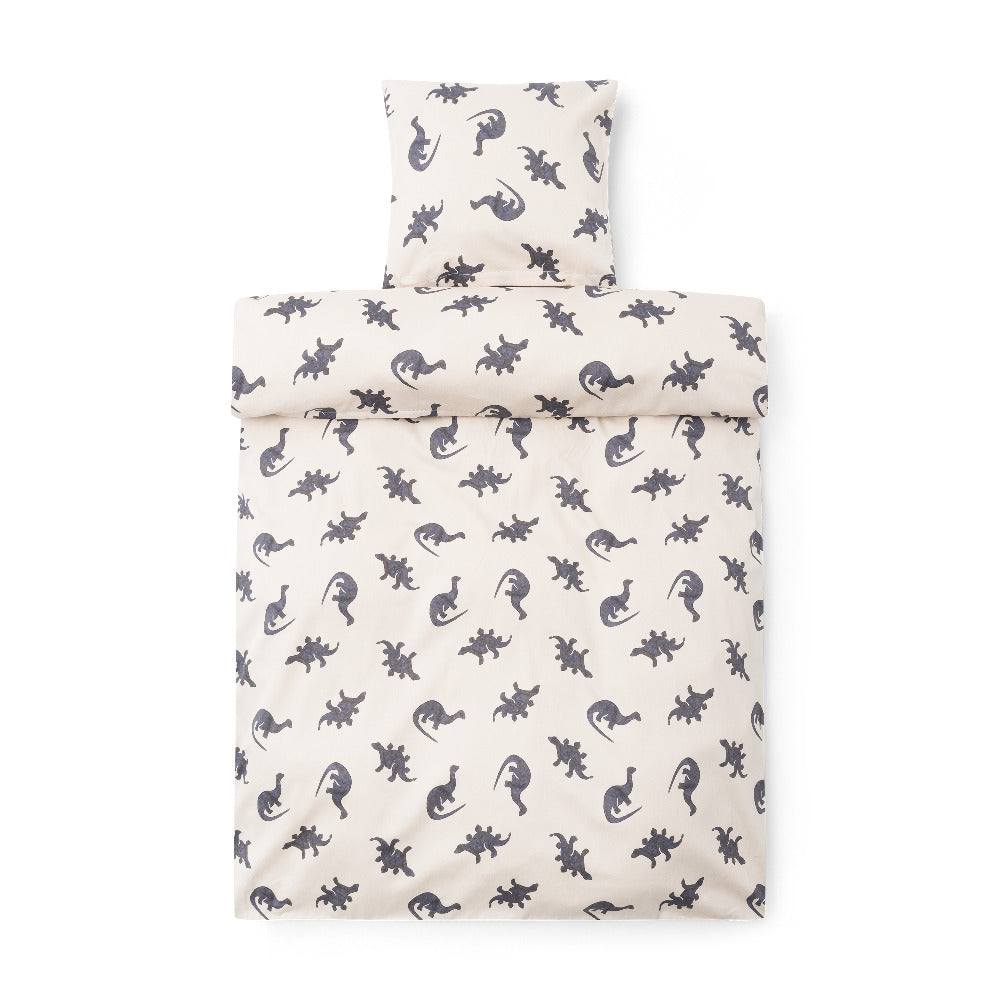
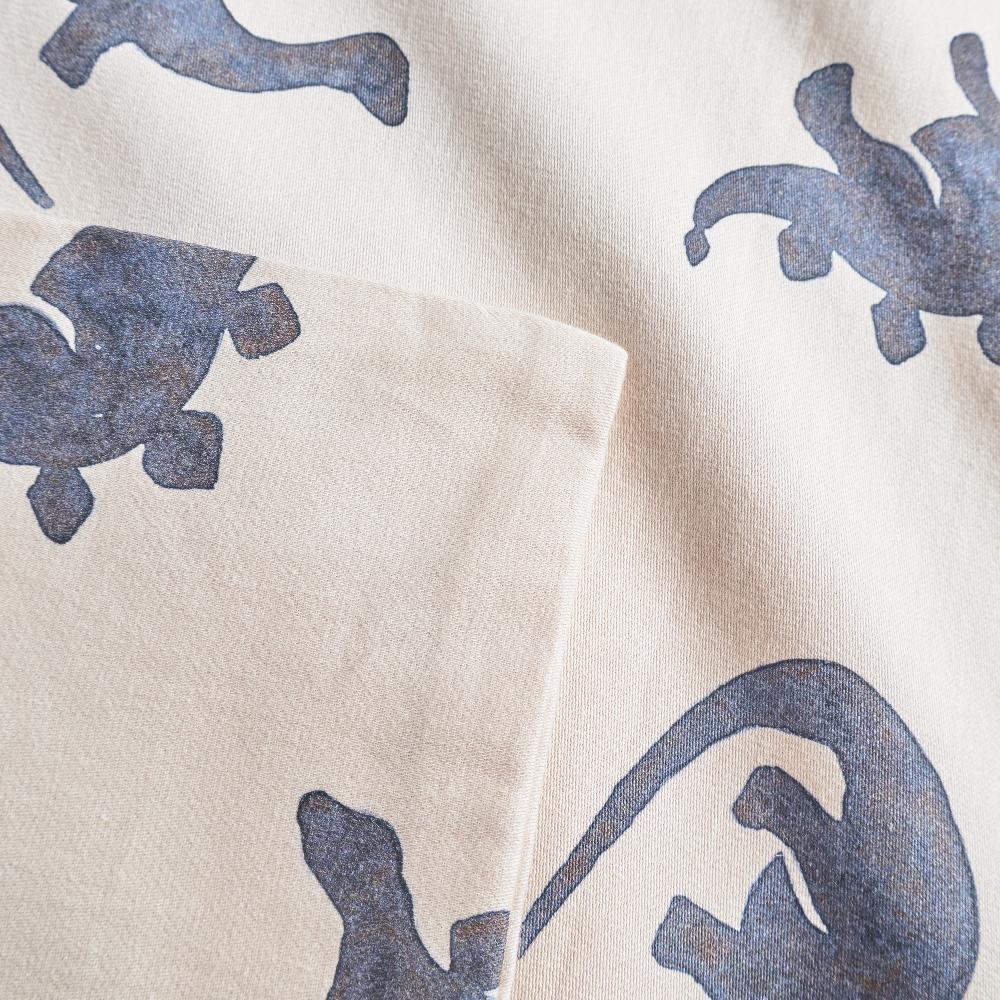
Some children have extra sensitive skin or suffer from allergies. In this case, it may be a good idea to go for bedding that is certified as hypoallergenic. Look for fabrics that are free of harmful dyes and chemicals and have been tested to ensure a low risk of irritation. Organic materials such as cotton and bamboo are often a safe choice.
It is also an advantage if the bedding can be washed frequently and at high temperatures. This minimizes the accumulation of dust mites and bacteria, which is important for children with asthma or allergies.
How bedding affects sleep quality
Soft and breathable bed linen can significantly improve sleep quality. If the child is too hot or cold, they will sleep restlessly and wake up more frequently. Textiles with good temperature regulation and a comfortable surface increase comfort and create better conditions for undisturbed sleep.
Design and colours
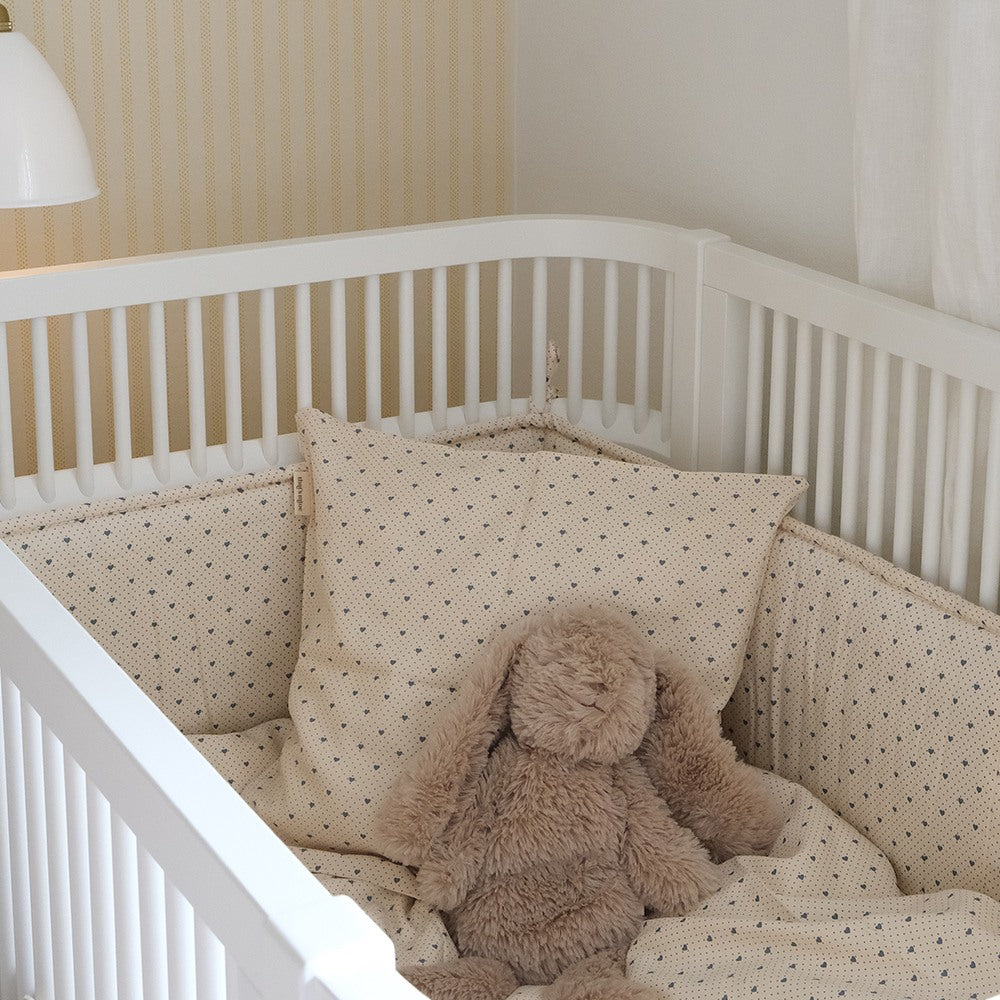
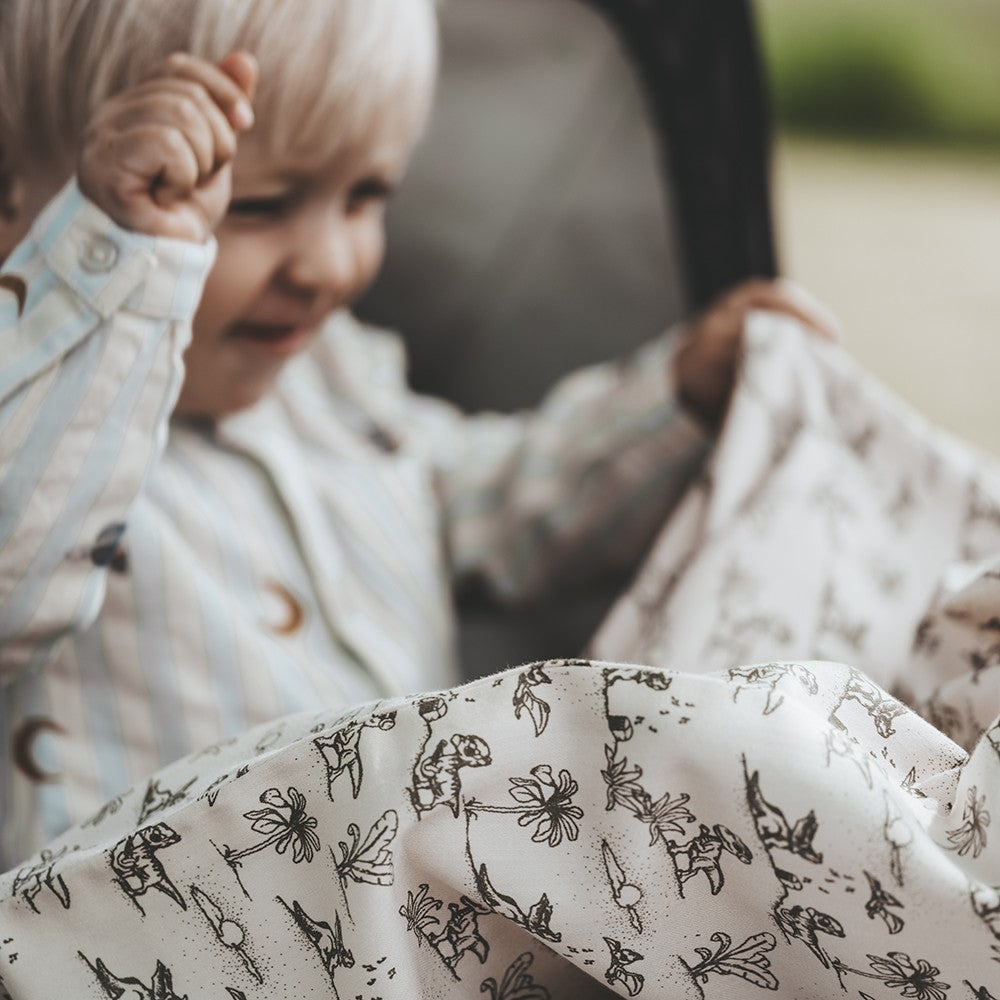
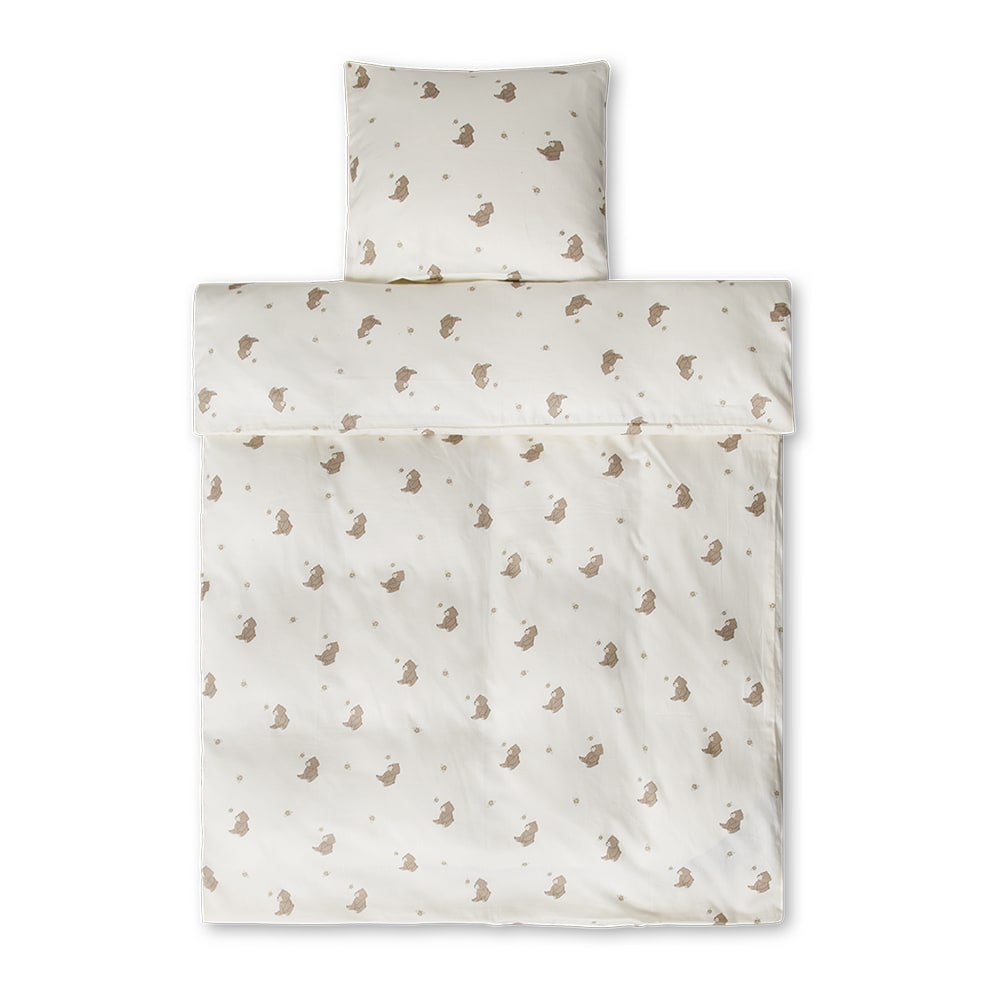
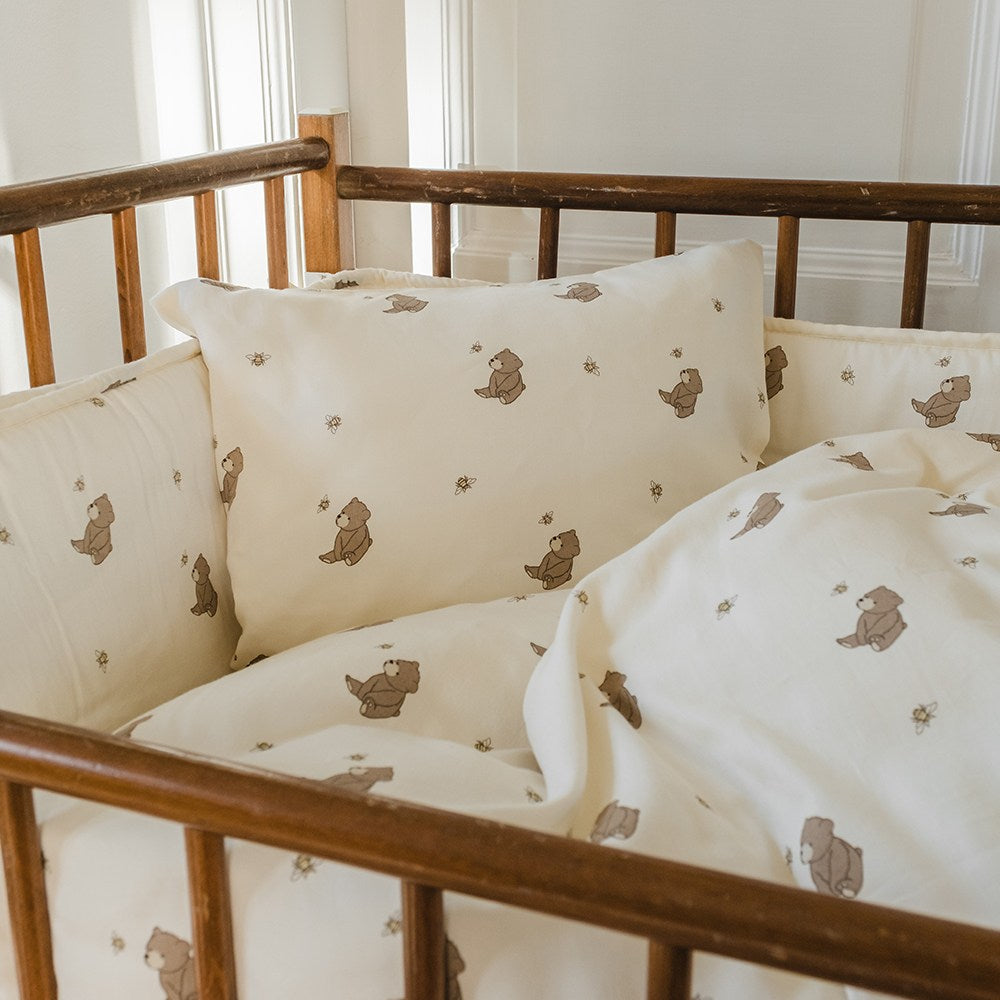
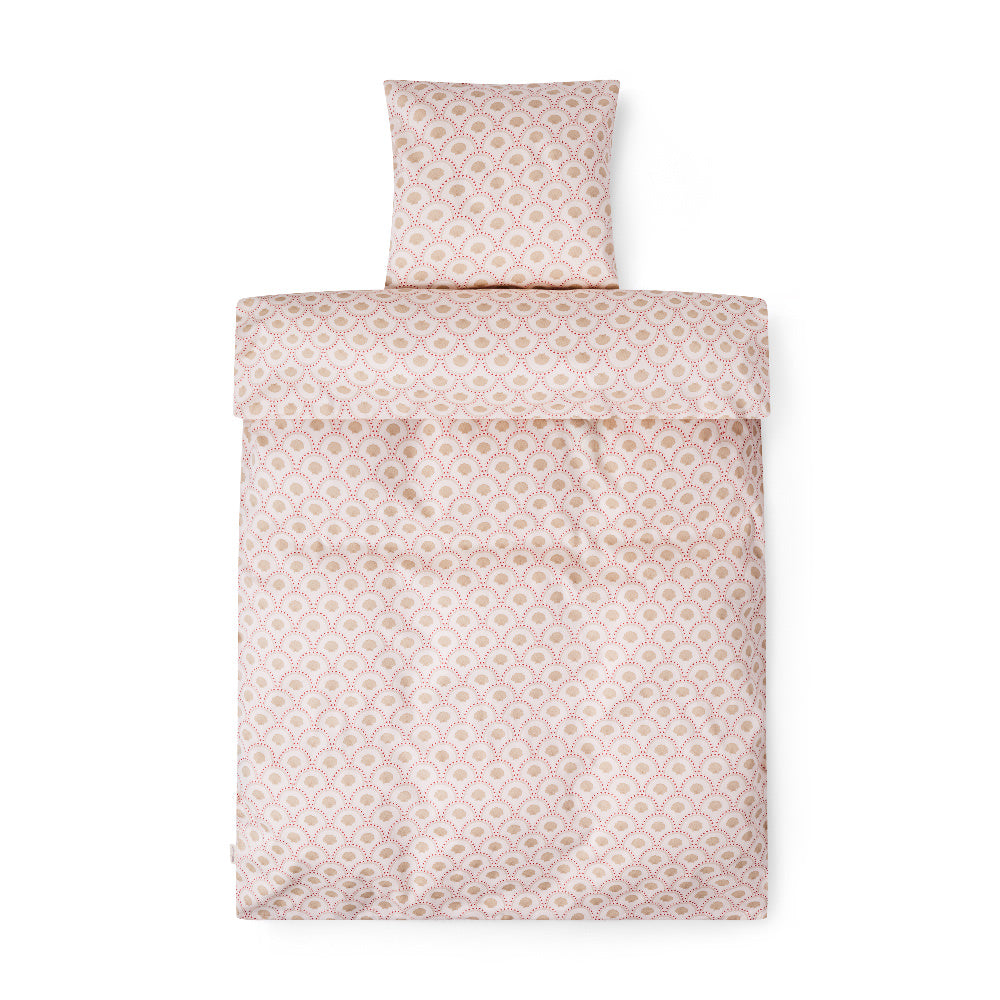
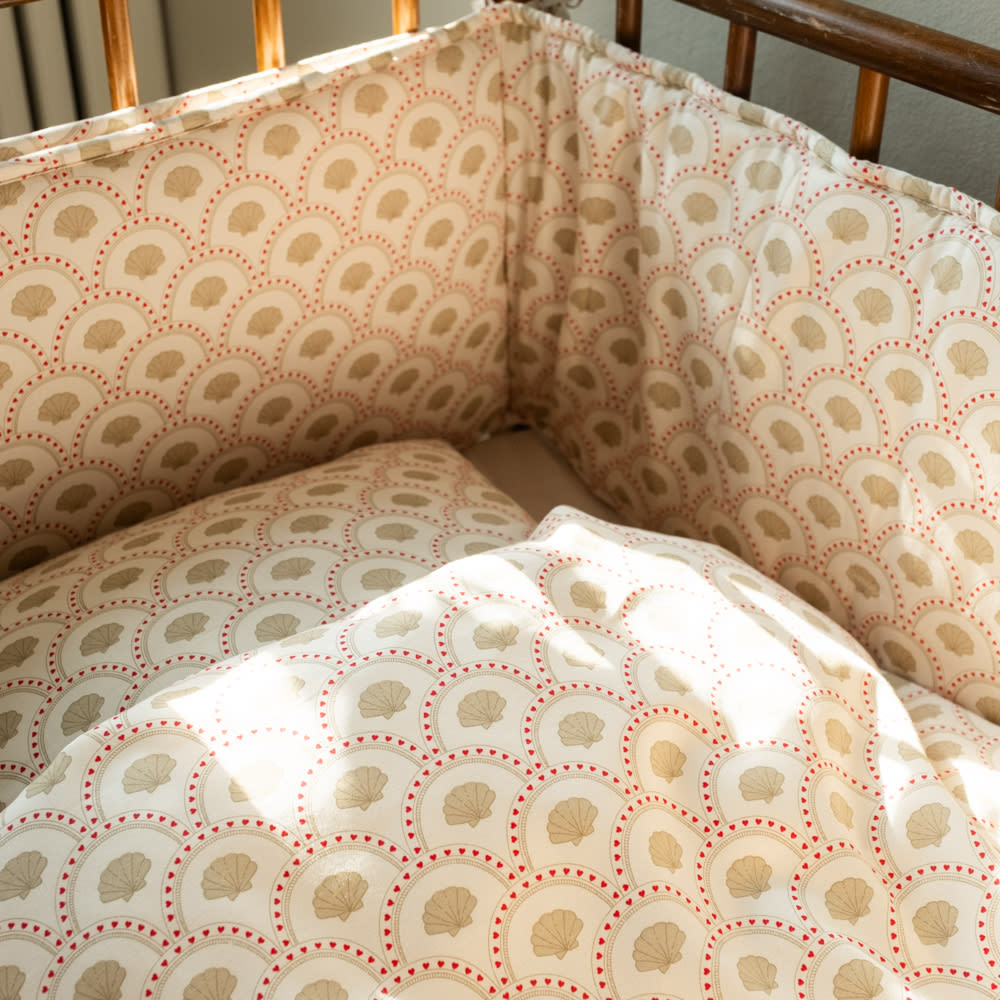
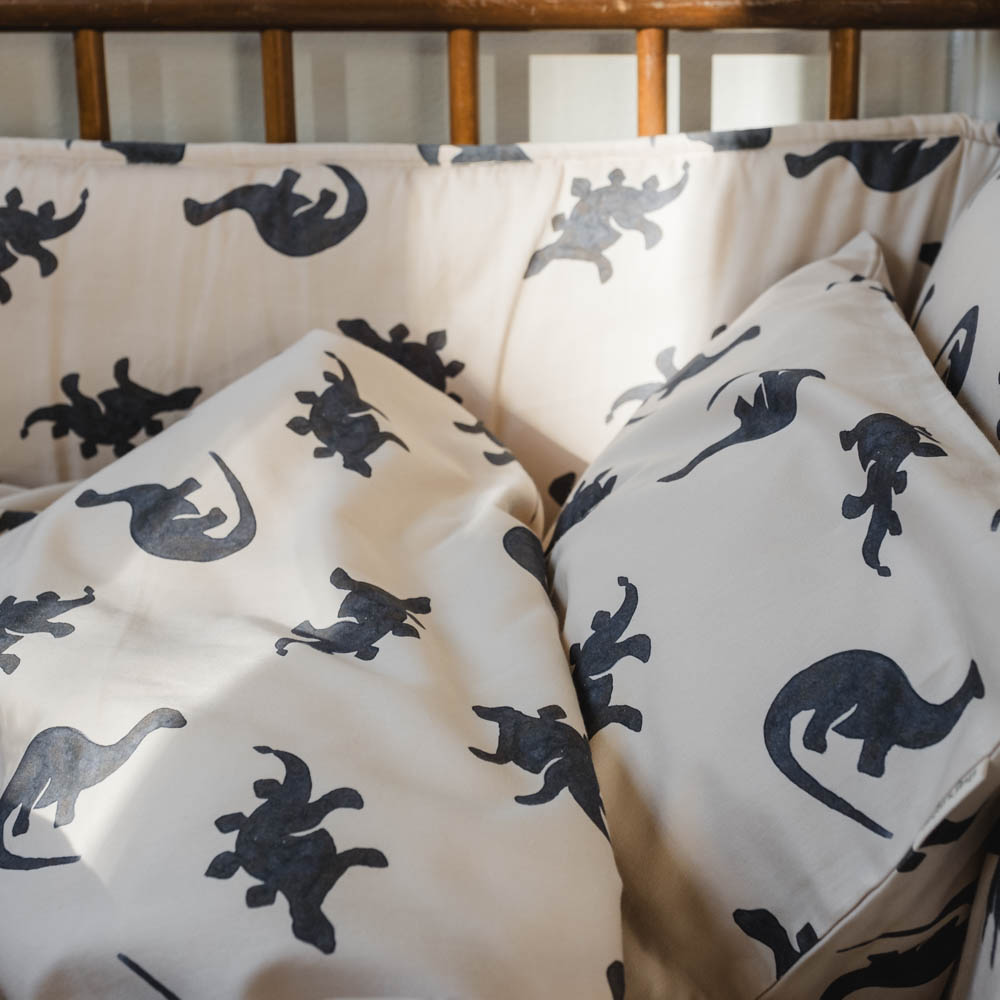
The design matters more than you might think. Calm, subdued colours and natural prints can contribute to a peaceful atmosphere at bedtime. Many children also love bed linen with animals, fairy tale characters or nature motifs, which can help make bedtime cosier.
Bed linen accessories
To create a safe and harmonious sleep experience, you can combine the bed linen with other sleep accessories such as:
- Fitted sheets in matching colours
- Cot bumpers for the little ones, protecting against cold walls and bumps
- Bed pockets for storing dummies, cuddly toys and books
- Sleeping bags or swaddling blankets for the youngest babies
About That's Mines bedding
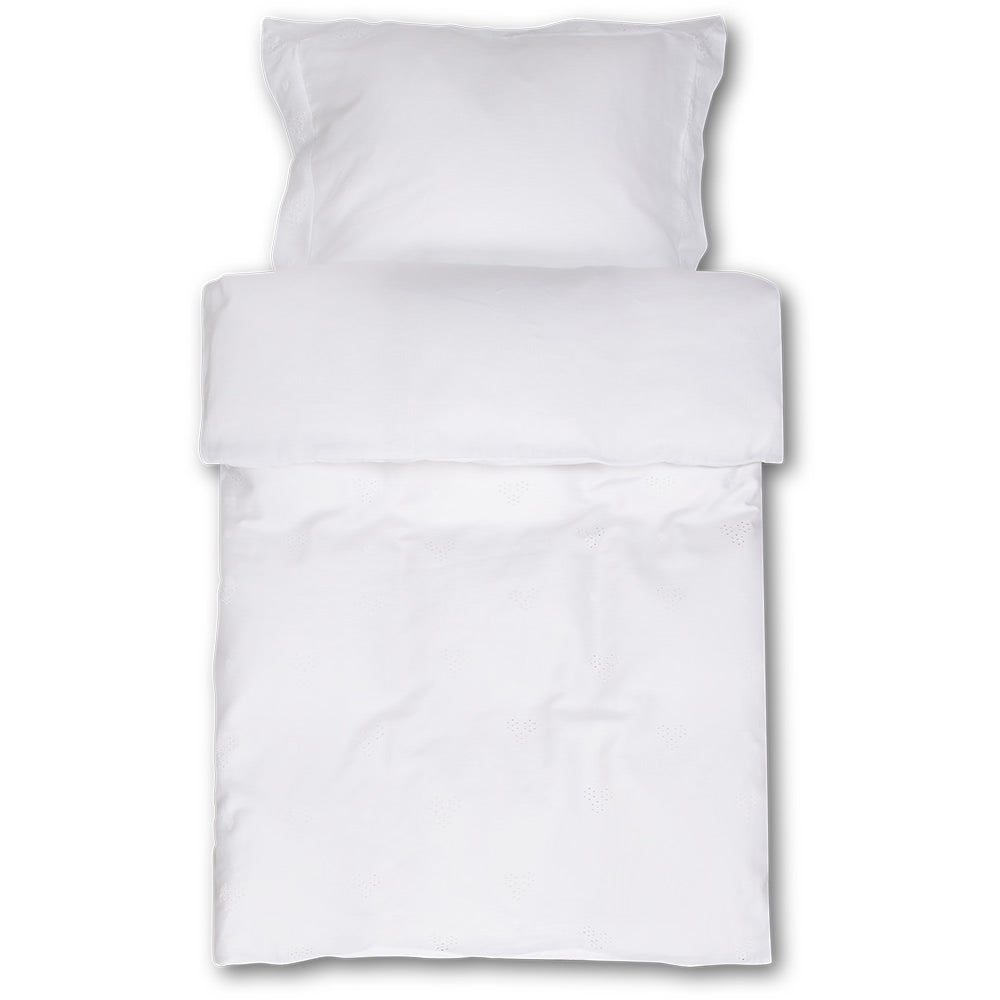
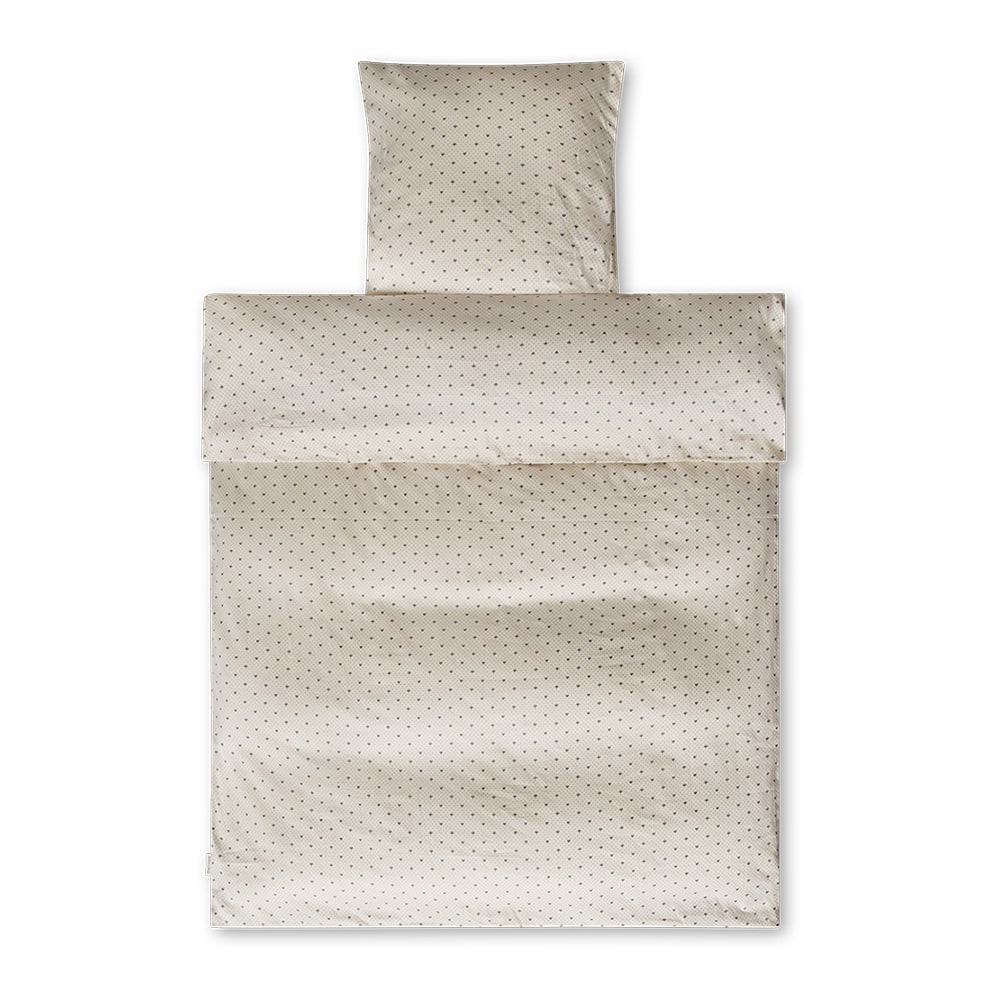
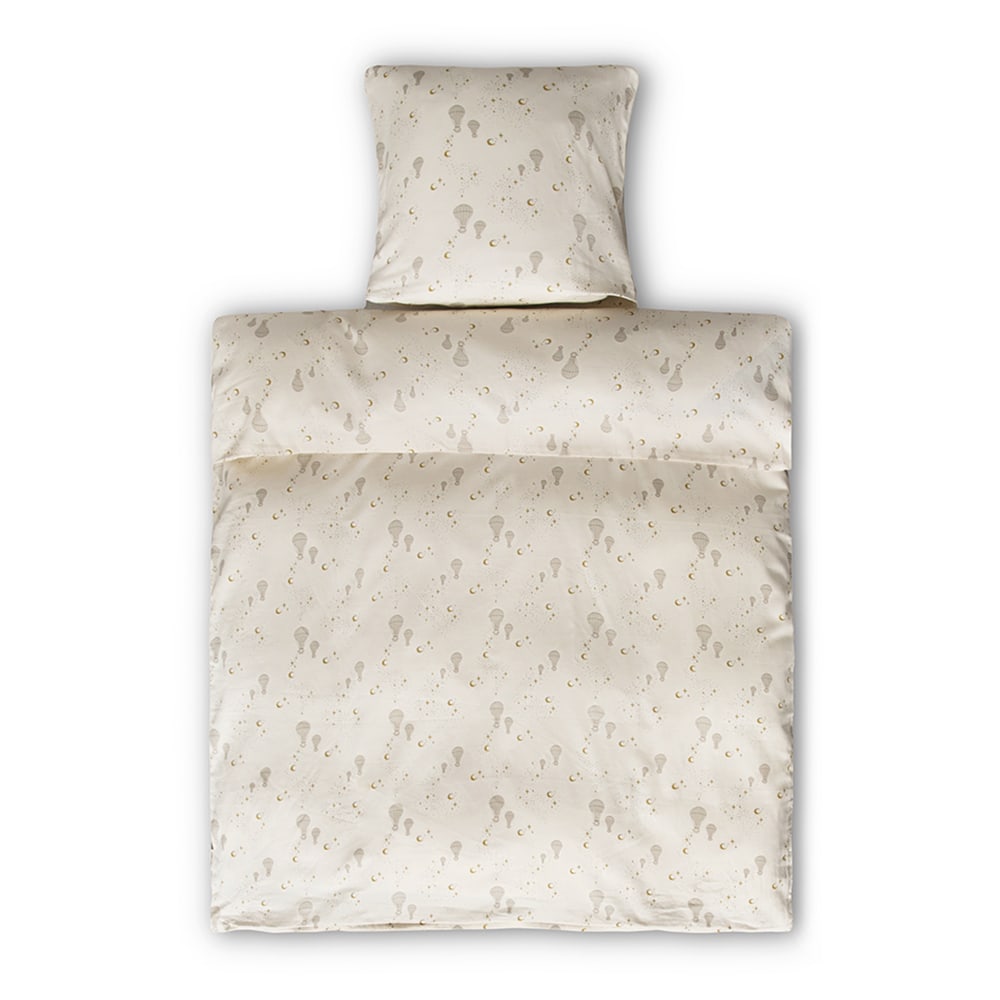
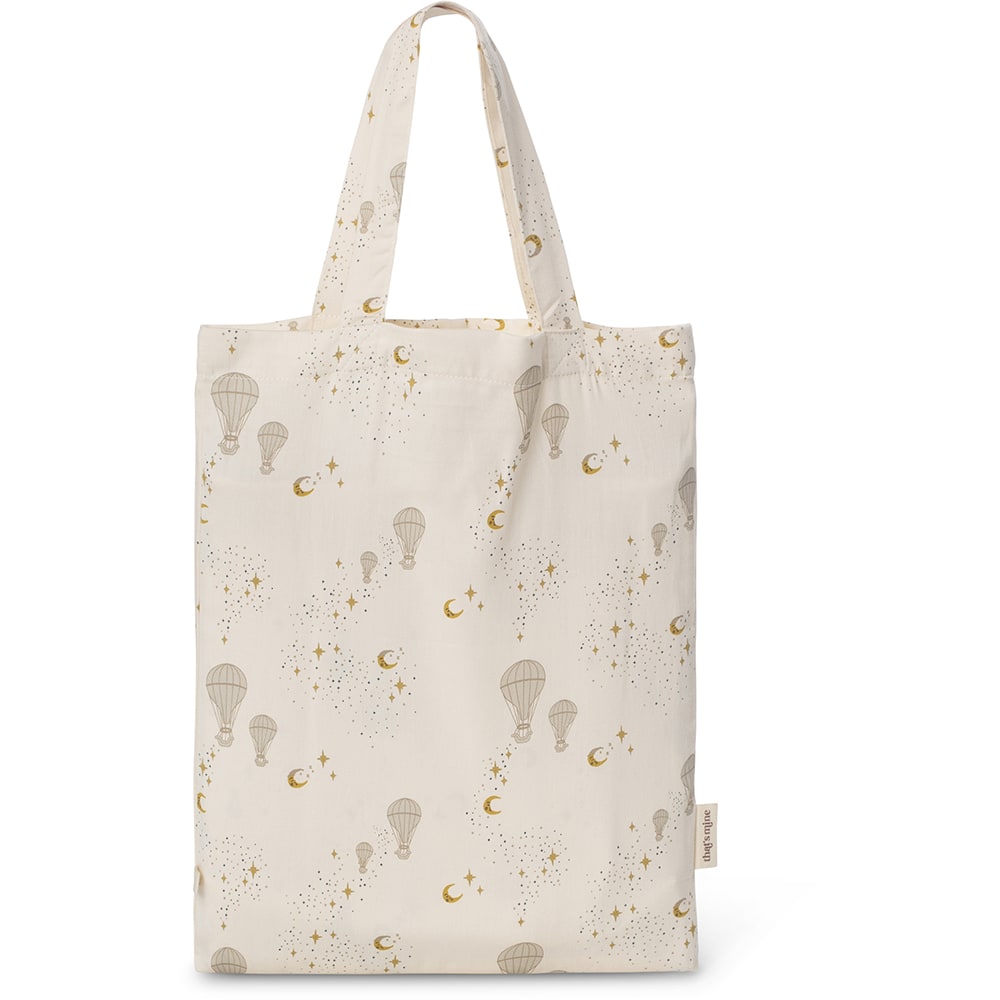
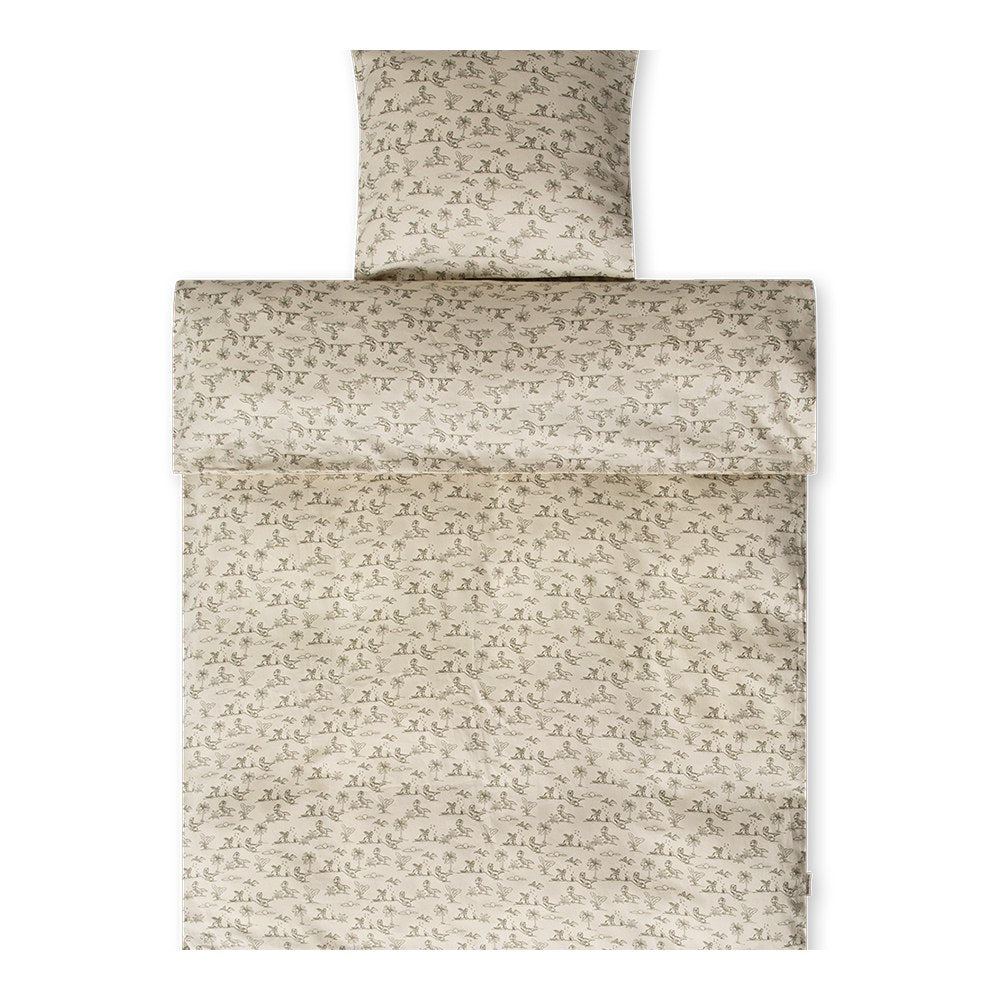
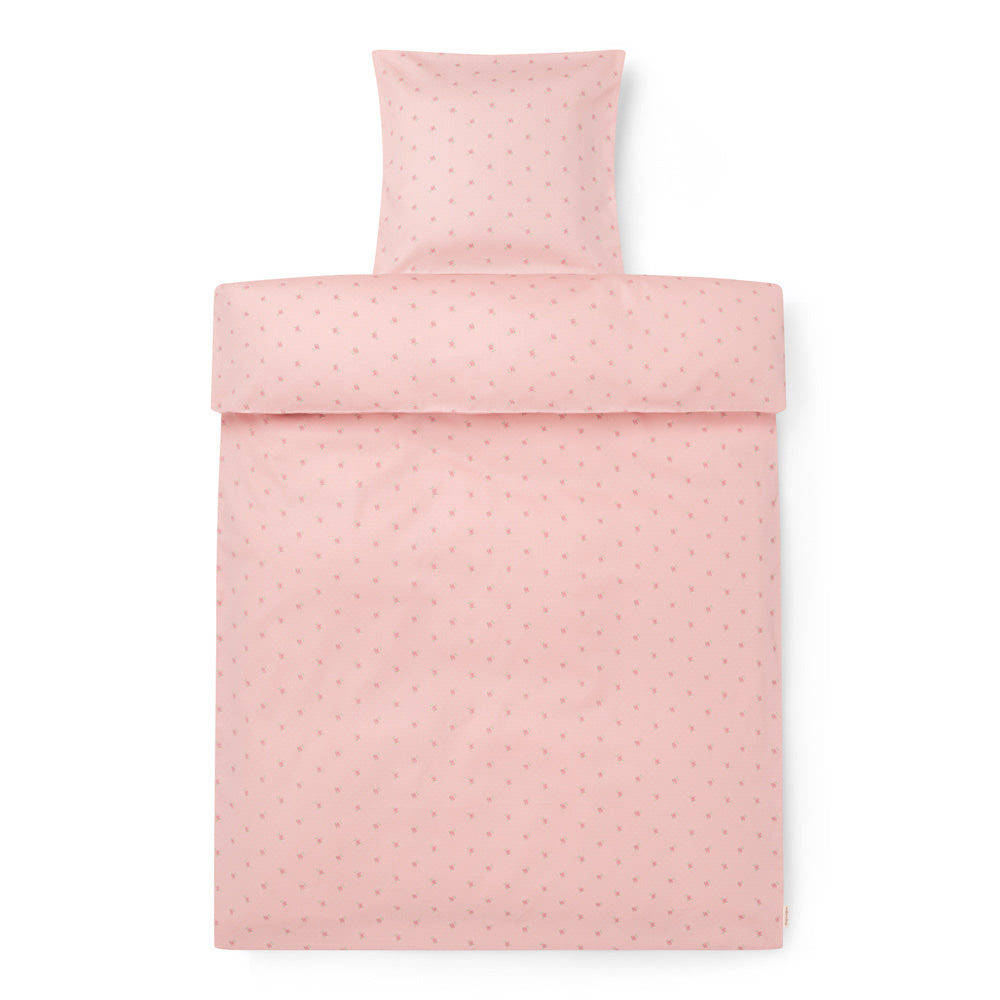
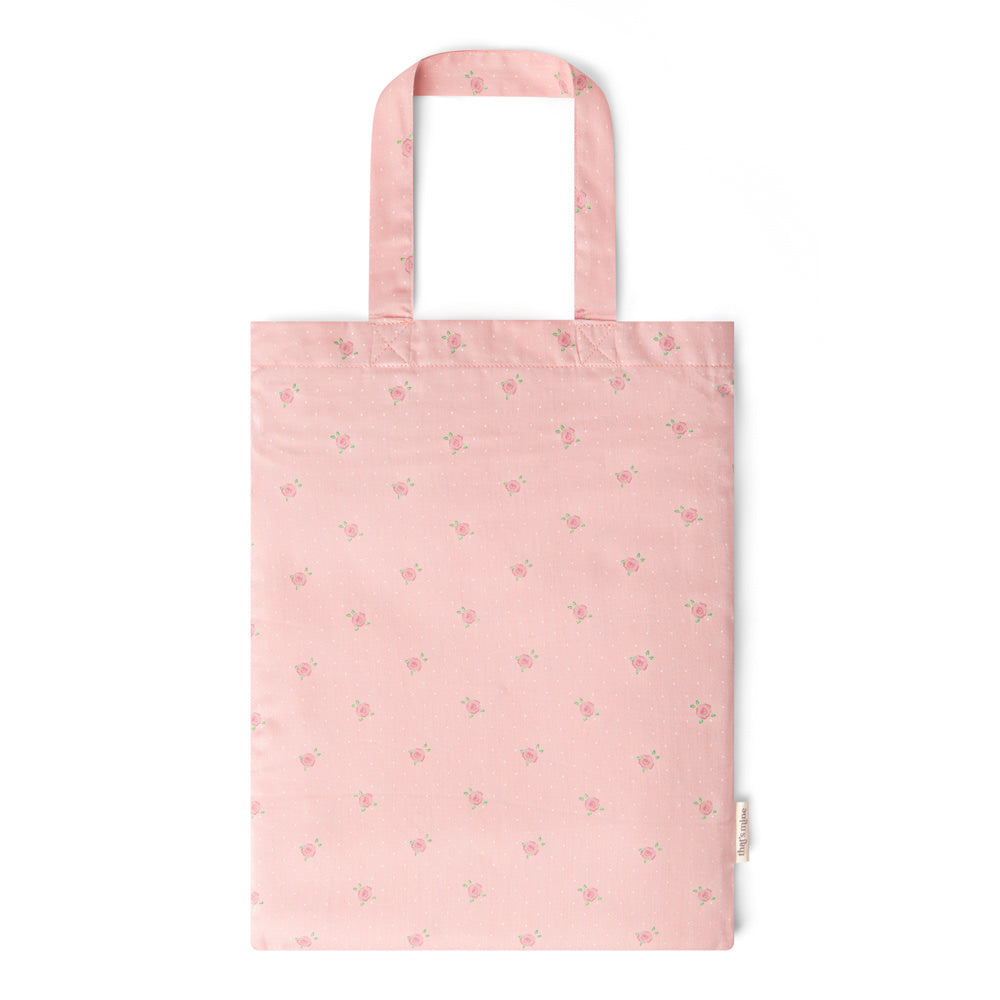
At That's Mine you will find bedding for babies and children that combines comfort, functionality and beautiful design. Our bedding is made of 100% organic cotton sateen, which feels incredibly soft against the skin and is gentle on the little ones. The bedding is available in many fine prints and can be easily combined with related products such as fitted sheets, bed skirts and bed pockets. The duvet cover has a practical zipper at the bottom, while the pillowcase has a classic fold closure with extra fabric. The many prints are also repeated across our collections, so you can easily create a consistent and harmonious look in the children's room.
Tips to help your child love bedtime
- Involve the child in the choice: Let your child choose their own bed linen from a selection of options.
- Create a consistent routine: Use the new bed linen as part of a cozy bedtime routine. For example, combine it with a weighted plush toy to stimulate relaxation.
- Use the bed linen as a story: If the bed linen features animals or characters, you can together invent stories about them.
- Create a cozy sleeping nook: Combine the bed linen with matching pillows and plush toys for extra coziness.
About That's Mines bedding
At That's Mine you will find bedding for babies and children that combines comfort, functionality and beautiful design. Our bedding is made of 100% organic cotton sateen, which feels incredibly soft against the skin and is gentle on the little ones. The bedding is available in many fine prints and can be easily combined with related products such as fitted sheets, bed skirts and bed pockets. The duvet cover has a practical zipper at the bottom, while the pillowcase has a classic fold closure with extra fabric. The many prints are also repeated across our collections, so you can easily create a consistent and harmonious look in the children's room.
Tips to help your child love bedtime
- Involve the child in the choice: Let your child choose their own bed linen from a selection of options.
- Create a consistent routine: Use the new bed linen as part of a cozy bedtime routine. For example, combine it with a weighted plush toy to stimulate relaxation.
- Use the bed linen as a story: If the bed linen features animals or characters, you can together invent stories about them.
- Create a cozy sleeping nook: Combine the bed linen with matching pillows and plush toys for extra coziness.
Frequently asked questions about bedding for children and babies
100% organic cotton is often the best choice as it is soft, breathable and free of harmful chemicals.
It is recommended to wash bedding for babies and children at least once a week – and preferably more often in case of allergies, illness or accidents.
It is best to use bedding that fits the size of your child's duvet and pillow. A cover that is too large can create wrinkles and make sleep uncomfortable.
Look for certifications such as GOTS, OEKO-TEX® and the Nordic Ecolabel. They guarantee that the product has been tested and is free of harmful substances.
Typically around 1-2 years of age, depending on the child's size and needs. Some children sleep with a baby duvet a little longer, while others quickly switch to a junior duvet.
For nurseries and kindergartens, durable and easily washable bedding is recommended, preferably made of cotton and without too many details such as buttons or ties.